
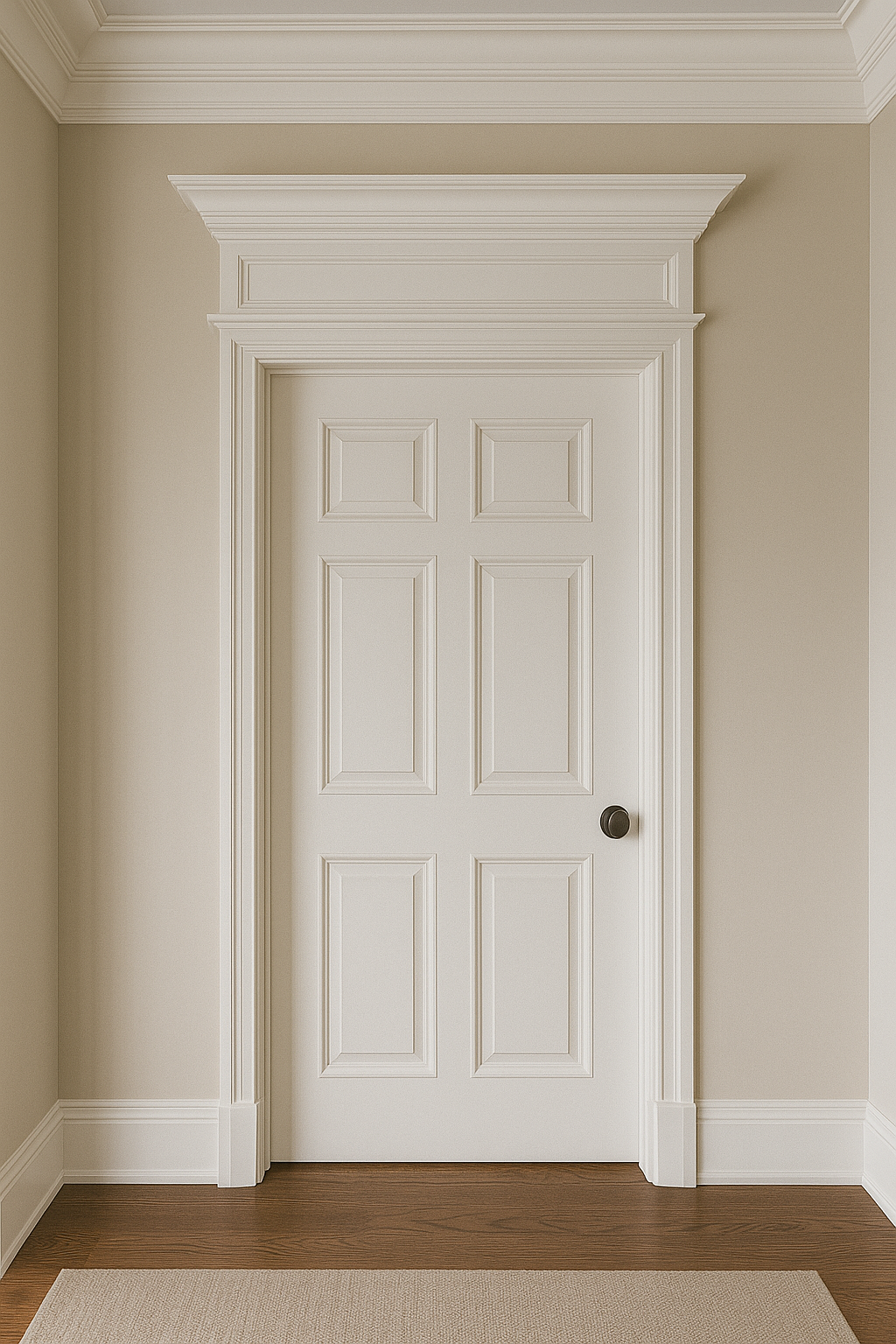
Baseboards and trim installation are key elements in home design. They add a polished look to any room.
Choosing the right floor trim style can transform your space. It can enhance the overall aesthetic and feel of your home.
There are many styles to consider. From modern flat baseboards to traditional wood trim, the options are vast.
Each style offers unique features and benefits. Understanding these can help you make an informed decision.
This guide will explore popular styles of baseboards and trim. Discover the perfect match for your home’s design.
Let’s dive into the world of baseboards and trim.
Summary
Baseboards and trim define transitions, protect walls, and add architectural character. This guide covers key materials, popular profiles (colonial, modern flat, step/eased edge, bold/blocky, low-profile), and choosing sizes (4–6+ inches) based on room proportions. It also outlines coordinating with door and floor trim, color/finish selection, budgeting, and practical installation and maintenance tips. Current trends favor minimalist profiles, sustainable materials, and smart-ready designs.
Why Baseboards and Trim Matter in Home Design
Baseboards and trim might seem like small details. However, they play a big role in defining a room’s look. Without them, rooms can feel unfinished and bare.
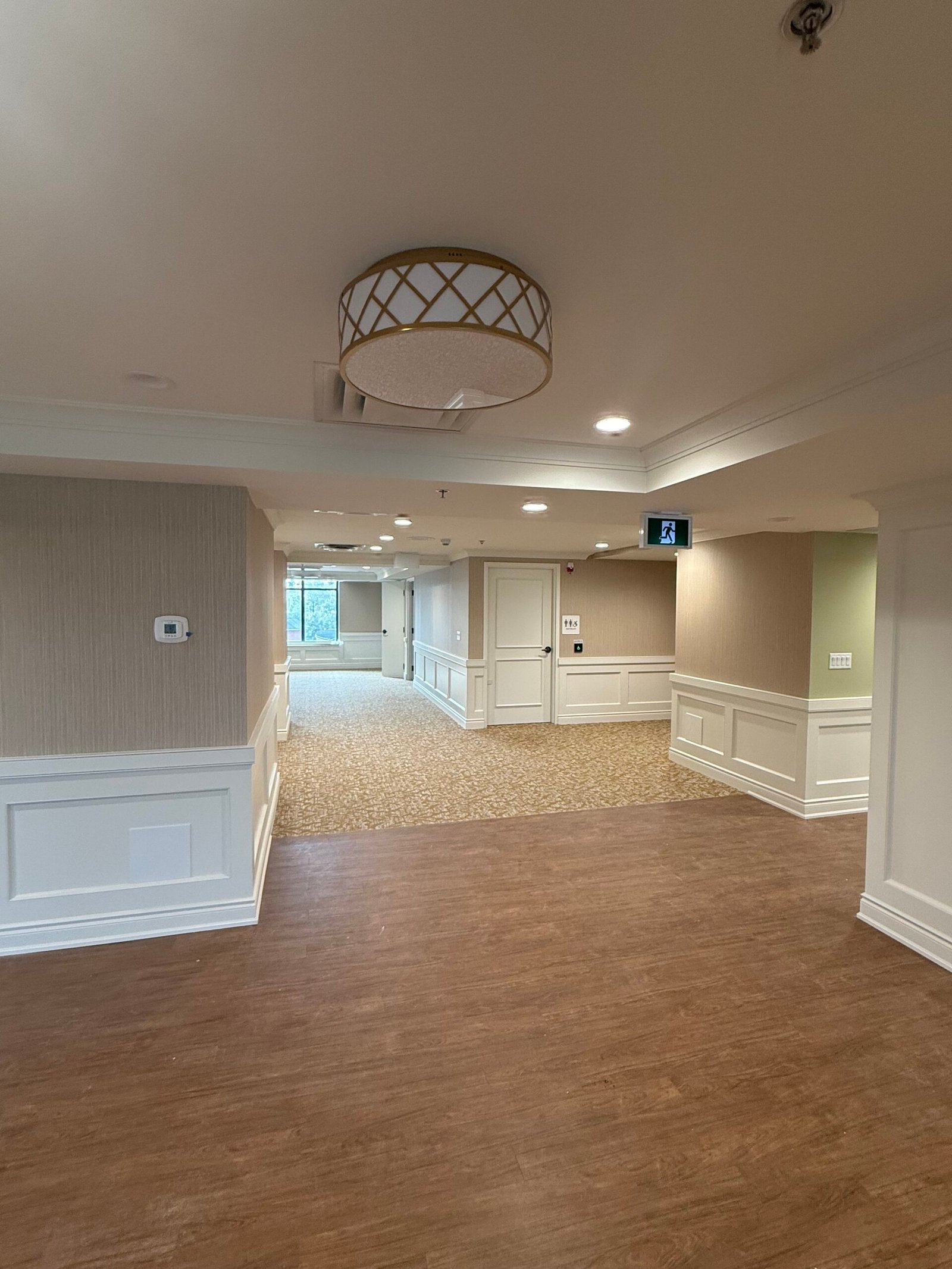
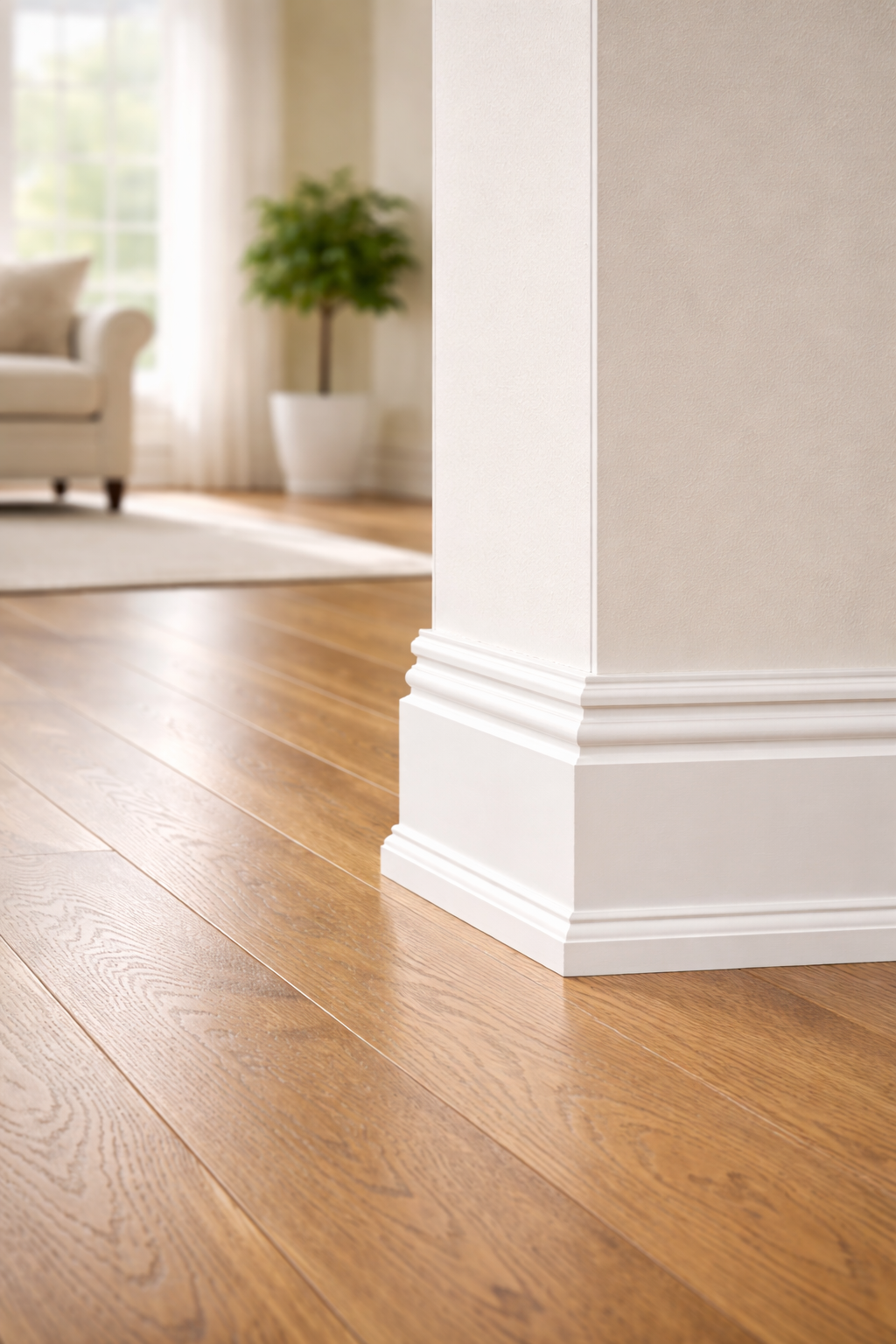
Baseboards act as a transition between walls and floors. They cover gaps and imperfections, providing a clean finish. Additionally, they protect walls from damage caused by furniture or vacuums.
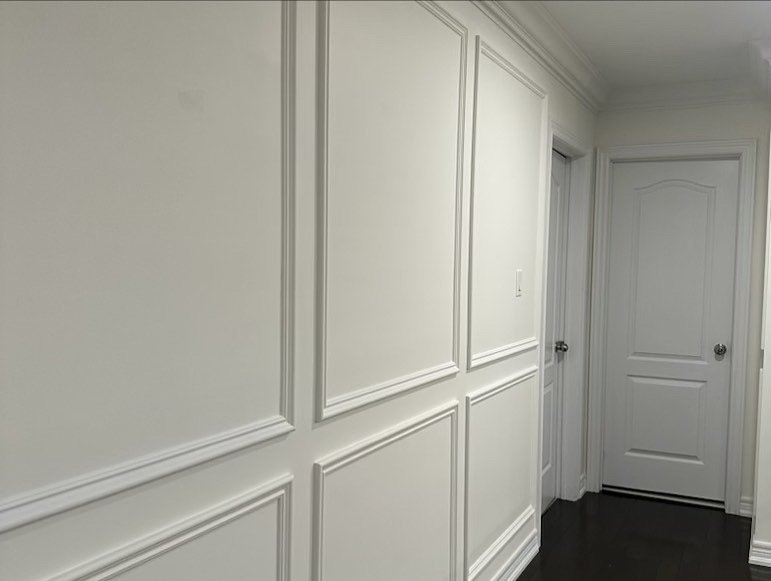
Trim and moldings introduce an architectural element. They add character and depth to even the most plain spaces. By choosing the right style, you can complement your home’s unique aesthetic.
Consider the following reasons to prioritize baseboards and trim in your design plan:
- Enhance architectural style
- Provide protection and durability
- Complement or contrast with other design elements
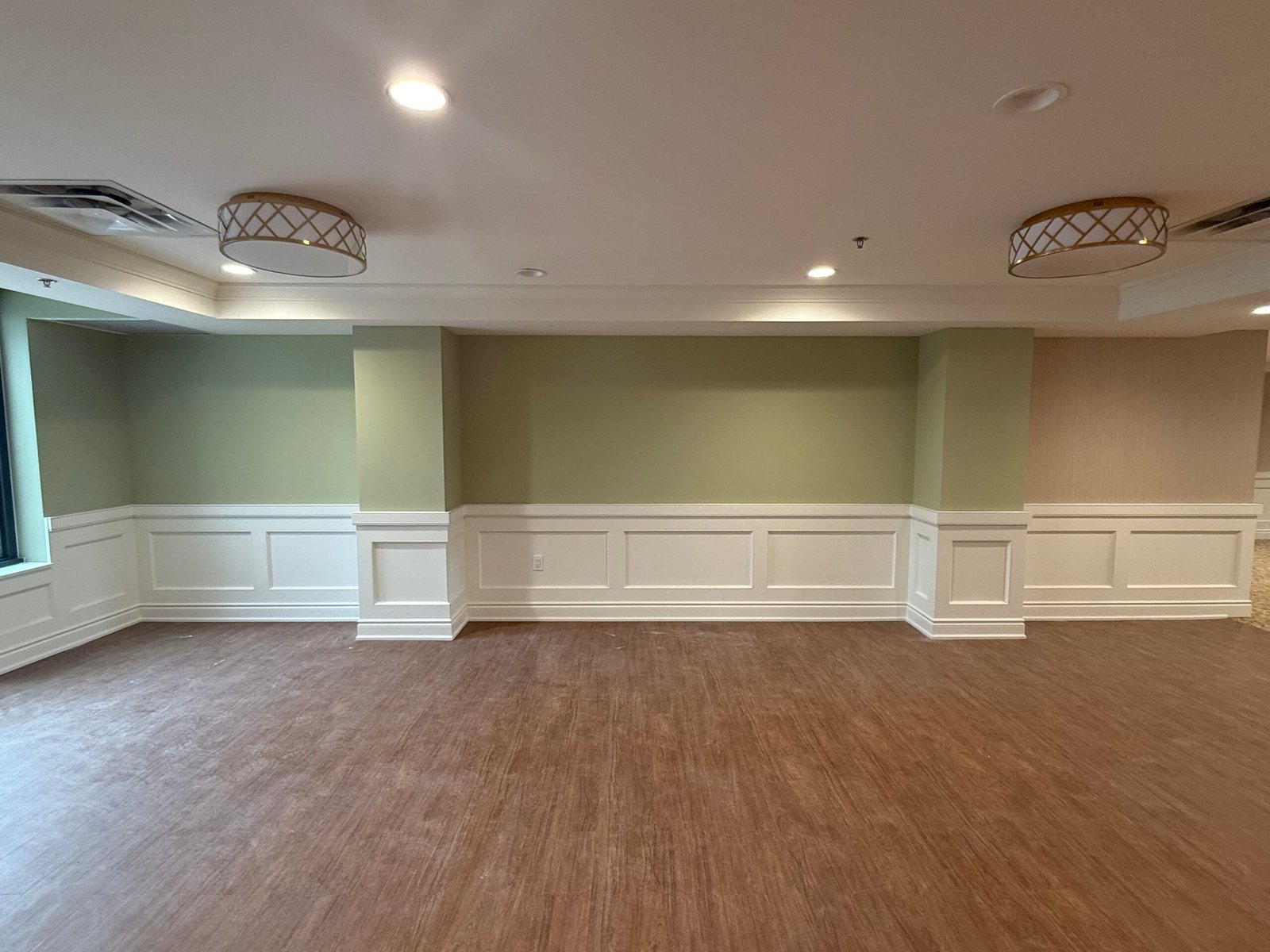
Key Materials for Baseboards and Trim
Selecting the right material for baseboards and trim is crucial. Each material offers unique benefits and drawbacks. Wood, MDF, and other synthetics are popular options today.
Wood is a traditional choice, providing warmth and charm. It’s ideal for classic interiors. However, it can be more costly than alternatives.
MDF is a cost-effective, versatile option. It’s easy to paint and comes in various styles. It suits modern and budget-conscious homeowners alike.
Wood Baseboards
Wood baseboards offer an elegance that is hard to match. They bring a timeless appeal to classic and traditional interiors. Made from woods like oak, pine, and maple, they can be stained or painted to match any decor.
Wood baseboards are durable but may need regular maintenance to prevent damage. They can be more susceptible to warping in humid environments. Despite this, their natural beauty and longevity remain unmatched.
MDF Baseboards
MDF baseboards are a popular, cost-effective choice for many homeowners. They provide a smooth, uniform surface, ideal for painting. With MDF, you can choose virtually any color to fit your design scheme.
These baseboards are easy to install and maintain. They resist warping and cracking, making them great for humid spaces. While they may lack the natural charm of wood, MDF offers great flexibility and durability.

Popular Baseboard Profiles and Styles
Baseboard styles greatly influence the aesthetics of a room. Various profiles cater to different design preferences and architectural styles. Colonial, modern flat, and step profiles are among the favorites.
Colonial baseboards feature intricate details, ideal for traditional homes. Modern flat baseboards lean towards minimalism, fitting seamlessly with contemporary interiors. Step profiles offer versatility by combining classic and modern elements.
Popular baseboard profiles include:
- Colonial
- Modern flat
- Step and eased edge
- Bold and blocky
- Low-profile and square
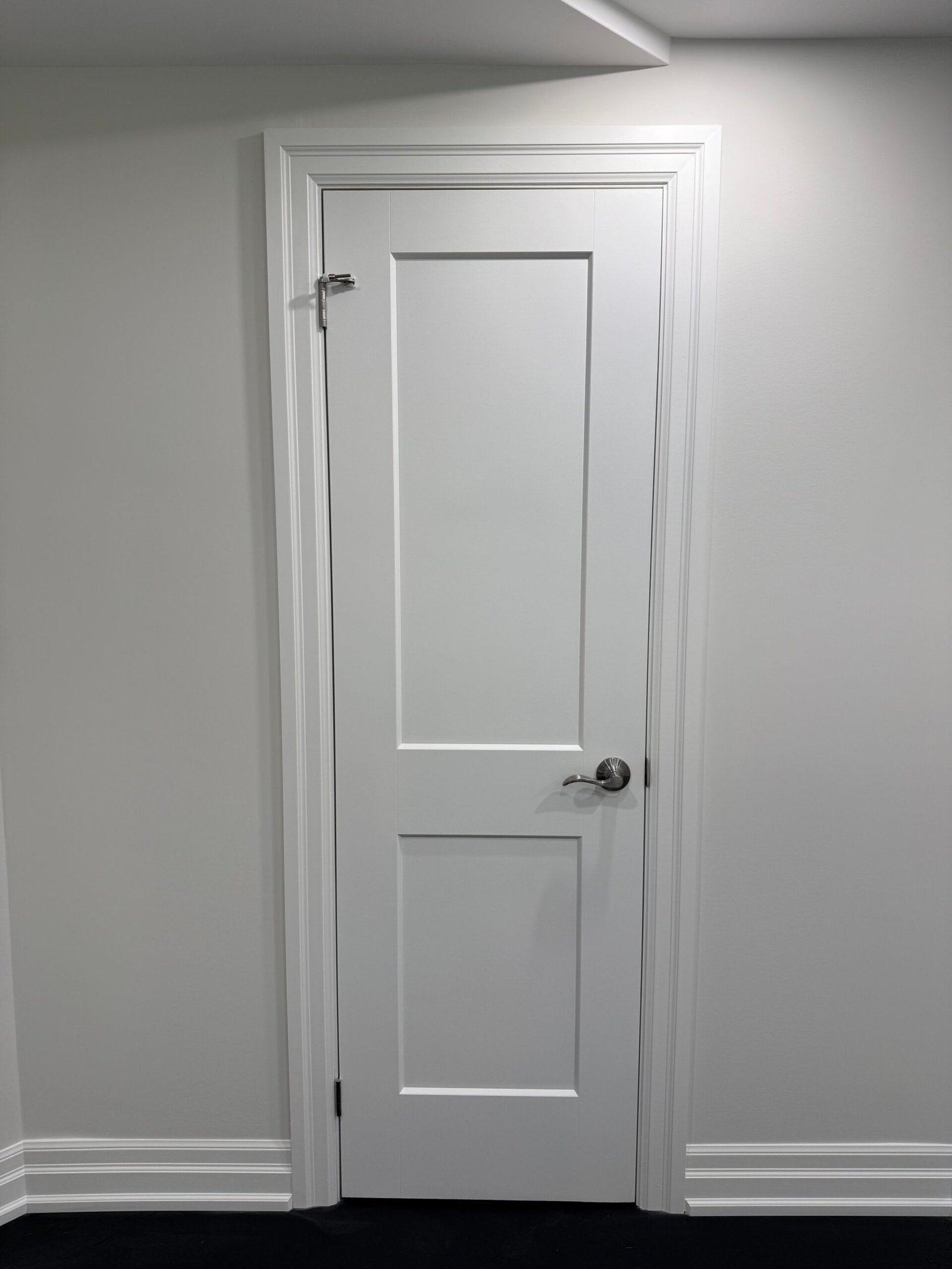
Colonial Baseboards
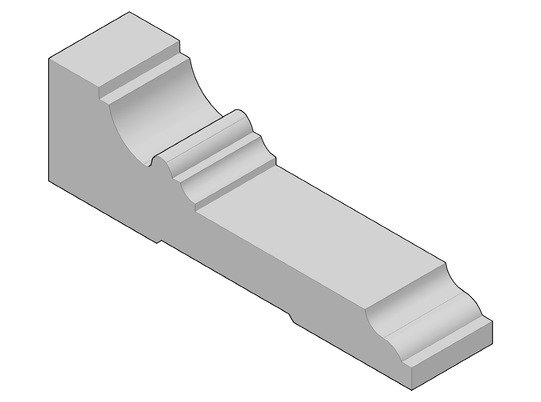
Colonial baseboards are the most traditional style of baseboard used both in traditional homes and luxury homes as some colonial profiles come in larger sizes 9-12″ offering great options for high ceiling areas in custom homes. It offers intricate detailing and elegant curves.
Typically, colonial baseboards are made from both wood and MDF, offering a rich texture. They can be painted or stained to match room decor. Their sophisticated style makes them a lasting choice for many homeowners.
Quality wood baseboards and trim profiles can be purchased from Brenlo
Quality MDF baseboards and trim profiles can be purchased from Trim Depot
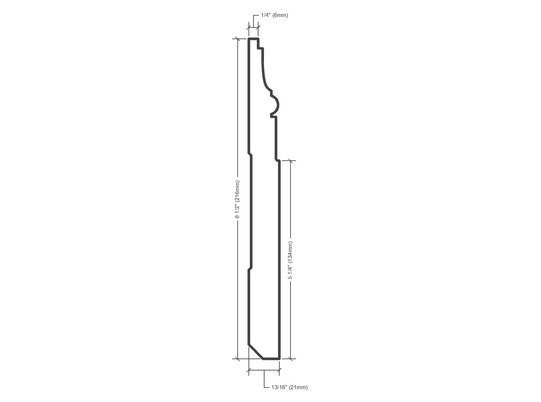
Modern Flat Baseboards
Modern flat baseboards are characterized by their clean and simple lines. They offer a sleek, minimalist look suitable for contemporary spaces. These baseboards complement modern interiors focusing on functionality.
Their understated design allows other elements in a room to stand out. Usually crafted from MDF but also available in wood profiles, they are economical and easy to install. Modern flat baseboards can be painted to achieve a seamless appearance.
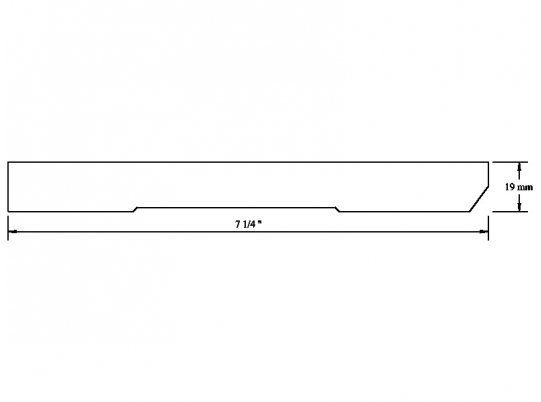

Step and Eased Edge Baseboards
Step and eased edge baseboards provide a blend of traditional and modern looks. This profiles are the most popular from the “Modern Trend” they aren’t to plain and have some visual . These baseboards offer visual interest without overpowering the room’s design. Made from various materials, they suit different budget ranges. Their versatility makes them popular for a wide array of interiors.


Choosing the Right Baseboard Size
Selecting the right baseboard size can influence a room’s proportions and style. Consider the ceiling height and room size when making a choice. Larger spaces may require taller baseboards for balance.
Common baseboard sizes include 4 – 7 inches, typically when we do baseboard and trim installation we always recommend to do 4-5″ baseboard installation for ceiling at 8″ ceiling at 9+ you can use 6 inches and above. Consult with a specialist when choosing the right profile and baseboard height for your home.
When choosing baseboards, consider:
- Room size and ceiling height
- Architectural style
- Personal taste
Visualizing different sizes in a space can guide your selection process.

Matching Baseboards with Door and Floor Trim
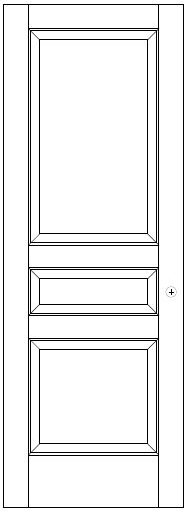
Harmonizing baseboards with door and floor trim enhances a room’s unity and flow. Coordinating these elements can elevate your home’s overall aesthetic appeal. Choosing complementary styles and materials creates a cohesive look.
When considering trim choices, take into account the following:
- Matching wood finishes and colors
- Consistent design styles across elements
- Similar trim widths and profiles
A well matched trim ensemble brings together all room details. Thoughtful coordination adds to a polished and professional finish

Color, Finish, and Sheen: Customizing Your Look
Color, finish, and sheen are key to personalizing your baseboards and trim. These elements can dramatically influence the room’s ambiance. Selecting the right combination is crucial for achieving the desired aesthetic.
Color choices might range from classic whites to bold hues. This can either blend or contrast with walls. Also, finishes like matte, satin, or gloss can change the look significantly. Each finish type can affect the room’s light reflection and mood.
Consider these factors when deciding:
- Harmonize with existing decor
- Choose a durable finish for high-traffic areas
- Experiment with bold colors for visual interest
Customizing your baseboards can ultimately enhance your home’s unique character.
Budgeting and Baseboard Price Guide
Choosing baseboards involves balancing style and budget. Various factors influence the overall cost of baseboards. Material, style, and size all impact baseboard price. For example, MDF is more budget-friendly than solid wood.
It’s essential to factor in the total length of baseboards needed. Larger rooms require more materials, increasing costs. Additionally, intricate designs generally cost more due to their complexity.
To manage expenses effectively, consider these tips:
- Prioritize essential rooms
- Use MDF in budget-focused areas
- Opt for simpler profiles
Budgeting wisely ensures you get appealing baseboards without breaking the bank. Exploring options will help you find an affordable yet stylish choice for your home. Contact a professional for guidance when selecting baseboard and trim to offer the best options for your space and budget.
Maintenance and Repair of Baseboards
Maintaining baseboards enhances their longevity and beauty. Regular cleaning prevents dust buildup. Use a damp cloth to gently wipe them clean, avoiding excess moisture.
For minor repairs, address damages like dents or scratches promptly. Here are some quick fixes:
- Fill small dents with wood filler
- Sand the surface smoothly
- Touch up with matching paint or stain
Routine care ensures baseboards remain in excellent condition, complementing your home flawlessly.
Conclusion & Next Steps
Ready to upgrade your space with professional baseboard and trim installation? JK Luxury Home Remodeling provides end-to-end service backed by over 30 years of experience and 1,500+ completed projects across Toronto and the GTA. From trim selection to flawless installation, we deliver craftsmanship built to last.
Quality craftsmanship and transparent upfront pricing.
Contact us today for a Free Estimate and Design Consultation



Leave A Comment