
Waffle ceilings, also known as coffered ceilings, add a touch of elegance and luxury to any room. Their grid-like pattern, composed of beams crossing each other to form sunken squares or rectangles, can transform a plain ceiling into a stunning focal point. In this article, we’ll explore various styles and material options for waffle ceilings, providing you with waffle ceiling ideas and inspiration for your next home project. 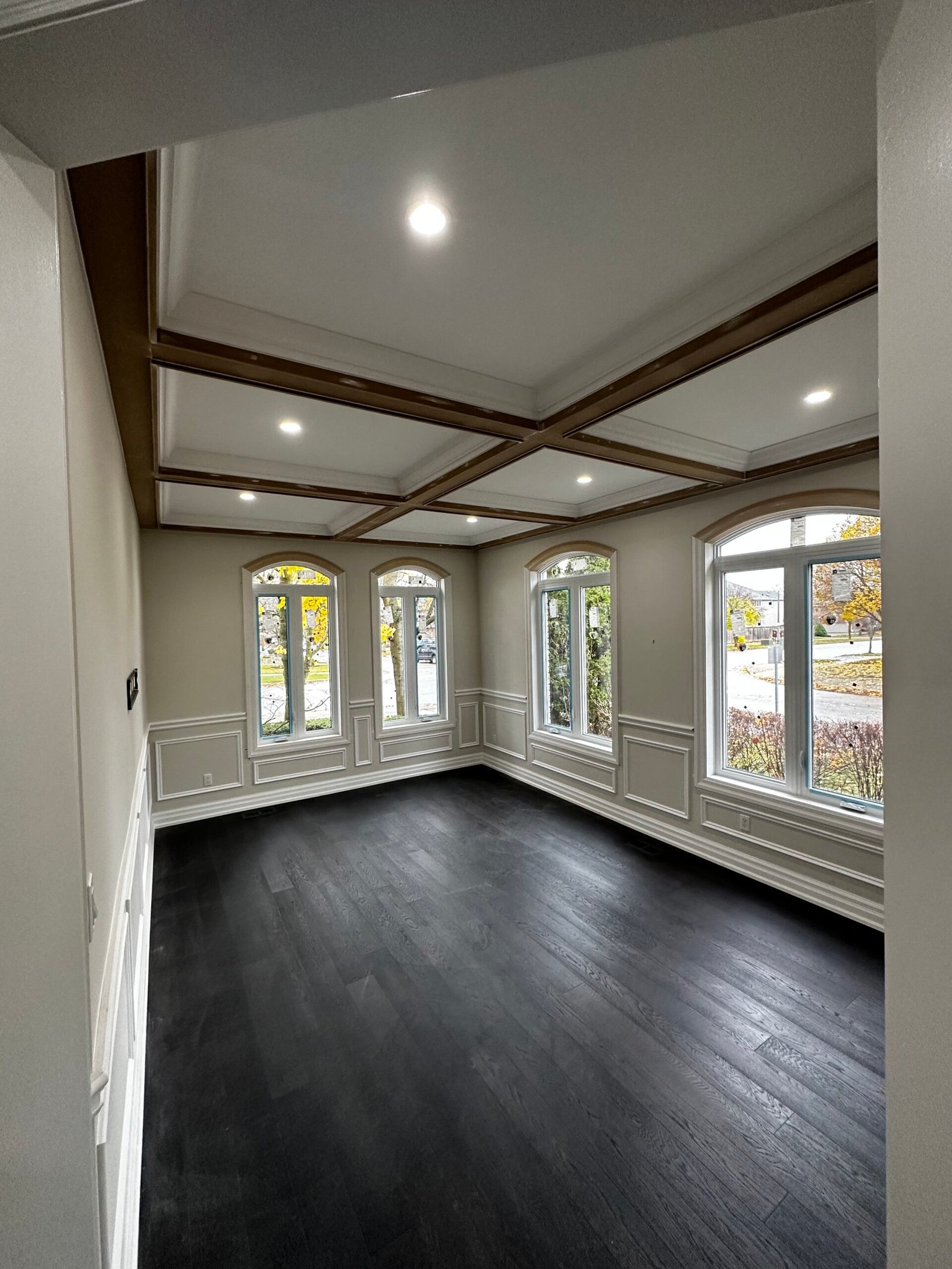
Waffle ceilings are a type of ceiling treatment that uses a series of beams to create a three-dimensional grid pattern. The term “waffle” comes from the resemblance to the squares on a waffle iron. These ceilings can be found in various architectural styles, from traditional to modern, and are often used in formal living rooms, dining rooms, and even home offices.
Waffle ceilings (coffered ceilings) use intersecting beams to create recessed panels that add depth, acoustic benefits, and a high-end focal point. Popular styles include traditional (ornate), modern (clean-lined), and rustic (natural wood), each adaptable to different rooms and tastes. Common materials—wood, MDF, plaster, and polyurethane—vary by cost, detail, durability, and moisture resistance. Installation involves careful planning, surface prep, precise beam layout, and finishing for a polished look.
Benefits of Waffle Ceilings
- Aesthetic Appeal: Waffle ceilings add depth and dimension to a room, making them a popular choice for those looking to enhance their interior design.
- Acoustic Properties: The beams and recessed panels can help absorb sound, reducing noise levels in a room.
- Increased Property Value: A well-designed waffle ceiling can increase the perceived value of a home, making it more attractive to potential buyers.
Styles of Waffle Ceilings
There are several styles of waffle ceilings to choose from, each offering a unique look and feel. Here are a few popular options:
Traditional Waffle Ceilings
Traditional waffle ceilings often feature ornate moldings and detailed woodwork. They are commonly found in older homes and are perfect for those looking to maintain a classic or historical aesthetic. These ceilings may include decorative elements such as rosettes, cornices, ceiling trim, ceiling moulding, and dentils to enhance their elegance.
Modern Waffle Ceilings

For a more contemporary look, modern waffle ceilings utilize sleek, clean lines and minimal ornamentation. They often feature simple, geometric patterns and can be painted in neutral colors to complement modern interior design. This style is ideal for those seeking a sophisticated yet understated ceiling treatment.
Rustic Waffle Ceilings
Rustic waffle ceilings embrace natural materials and textures, such as exposed wood beams and distressed finishes. This style is perfect for creating a warm, inviting atmosphere in spaces like cabins, cottages, or country-style homes. Rustic waffle ceilings can be left unfinished or stained to highlight the wood’s natural beauty.
Material Options for Waffle Ceilings
When it comes to material choices, waffle ceilings offer a range of options to suit different styles and budgets. Here are some common materials used in waffle ceiling construction:
Wood
Wood is a popular choice for waffle ceilings due to its versatility and timeless appeal. It can be stained or painted to match any decor and can be crafted into intricate designs for a more traditional look. Common wood types include oak, cherry, and maple, each offering unique grain patterns and colors.
MDF (Medium-Density Fiberboard)

MDF is an affordable alterntive to solid wood and is often used for its smooth surface and ease of installation. It can be easily painted or veneered to mimic the appearance of wood without the cost. MDF is an excellent choice for modern or minimalist waffle ceilings.
Plaster
Plaster is a traditional material that can be used to create intricate, detailed designs. It is often used in historical homes to replicate original ceiling patterns. Plaster is more labor-intensive and costly than other materials but offers a stunning, authentic look.
Waffle Ceiling Installation

Installing a waffle ceiling can be a complex process, requiring careful planning and execution. The following overview of waffle ceiling installation outlines key steps:
Planning and Design
Before installation begins, it’s essential to plan the design and layout of your waffle ceiling. Consider the room’s dimensions, ceiling height, and existing architectural features. Sketch out a grid pattern that complements your space and select materials that align with your design vision.
Preparing the Ceiling
Ensure the existing ceiling is smooth and free of any imperfections. If necessary, repair any cracks or damage before proceeding. It’s crucial to have a solid, even surface for attaching the beams.
Installing the Beams
Begin by marking the grid pattern on the ceiling using chalk lines or a laser level. Attach the beams to the ceiling, starting with the perimeter and working inward. Use appropriate fasteners and ensure each beam is level and securely anchored.
Finishing Touches
Once the beams are installed, apply any desired finishes, such as paint or stain. Add decorative elements, such as moldings or medallions, to enhance the overall look of the ceiling. Ensure all seams and joints are filled and smoothed for a polished appearance.
Conclusion
Waffle ceilings are more than a design trend—they’re a timeless architectural feature that adds depth, elegance, and character to any room. Whether you prefer a classic wood coffered look or a modern, clean-lined design using contemporary materials, the right waffle ceiling can completely transform your space and enhance your home’s overall value. Choosing the right style and material is essential, but professional installation is what truly brings the design to life.
At JK Luxury Home Remodeling, we specialize in custom waffle ceiling installation with precision craftsmanship and an eye for luxury detail. From design consultation to flawless execution, our team ensures every ceiling is tailored to your vision and built to last. Ready to elevate your home? Contact JK Luxury Home Remodeling today to schedule a consultation and discover how a custom waffle ceiling can redefine your living space.
Q&A
Question: How do traditional, modern, and rustic waffle ceilings differ?
Short answer: Traditional waffle ceilings emphasize ornate moldings and detailed woodwork, often incorporating rosettes, cornices, and dentils for a classic, historical look. Modern waffle ceilings favor clean lines, simple geometric grids, minimal ornamentation, and neutral paint for a sleek, contemporary feel. Rustic waffle ceilings highlight natural textures like exposed or distressed wood, creating a warm, inviting atmosphere suited to cabins, cottages, or country-style homes.
Question: Which material should I choose for a waffle ceiling?
Short answer: It depends on your style, budget, and room conditions. Wood offers timeless appeal, can be stained or painted, and suits both traditional and rustic looks. MDF is a budget-friendly, smooth, paint-ready option that’s great for modern or minimalist designs. Plaster delivers highly detailed, authentic historical patterns but is more labor-intensive and costly.
Question: Do waffle ceilings help with acoustics?
Short answer: Yes. The combination of beams and recessed panels can help absorb sound and reduce noise levels in a room, contributing to a quieter, more comfortable space.
Question: Where in the home do waffle ceilings work best, and what should I consider about ceiling height?
Short answer: They’re commonly used in formal living rooms, dining rooms, and home offices, but can also suit kitchens or bathrooms when moisture-resistant materials like polyurethane are used. Consider ceiling height during planning: the added depth from beams can visually lower a ceiling, so ensure your grid layout and beam dimensions fit the room’s proportions.
Question: How to install a waffle ceiling?
Short answer: Plan and design the grid to suit the room’s dimensions and features; prepare the existing ceiling so it’s smooth and sound; mark the layout and install beams—starting with the perimeter—using proper fasteners and ensuring everything is level; then finish with paint or stain and any decorative elements, filling seams and joints for a polished result.


Leave A Comment